

Narcissists are toxic and secretly insecure people who constantly need external validation to maintain the false illusion that they are superior to everyone else, that they are intrinsically deserving of the best that life has to offer.
Narcissistic supply, within this dynamic of incessant addiction to feeling special, is all the attention, validation and emotion we give to narcissists.
From the moment they wake up to the moment they go to sleep, everything narcissists do is simply a means to obtain supply from their sources, to obtain attention and validation from their victims, thus feeding their grandiose false ego.
Learn more about this in post Narcissistic Supply: The Fuel of a Narcissist’s Life.
In this text, we will explore cultural supply, the preferred type of narcissistic fuel for cerebral narcissists: academics, public intellectuals, writers, journalists, diplomats, knowledge professionals, curators, artists, etc.
Culture, Art, and Intellectual Endeavours as Healthy Escapism
The history, intention, and aesthetics of the objects and environments that surround us shape our experiences, the meaning of moments, and how we interpret and experience them. We all enjoy engaging in interesting activities and appreciating or possessing beautiful things.
Art and the cultural world can also function as a kind of healthy escapism from the hardships of daily life and the bad news happening in the world. And all of this can be positive, depending on the intentions.
The point is that healthy people don’t define their self-esteem, their importance, or their own value, or that of others, based on the experiences and possessions they acquire.
At least, vanity isn’t the main focus; rather, it’s the experience itself, pleasure, the construction of reflections, lovely memories and a good life. Nor do they consider themselves better than others because they have cool things or experience different and enjoyable activities.
Healthy people simply feel grateful for the opportunities that life has given them. If they had the power, they would want to share these privileges with everyone, with anyone. Generous and empathetic people share what they have with others and wish for others the same incredible moments and wonderful things they wish for themselves.
But narcissists are not like that; they are the opposite. Possessions, knowledge, and experiences are passports to establishing hierarchies and rankings, not to sharing. They are there to signal who has and who doesn’t, who is and who isn’t, who commands and who obeys.
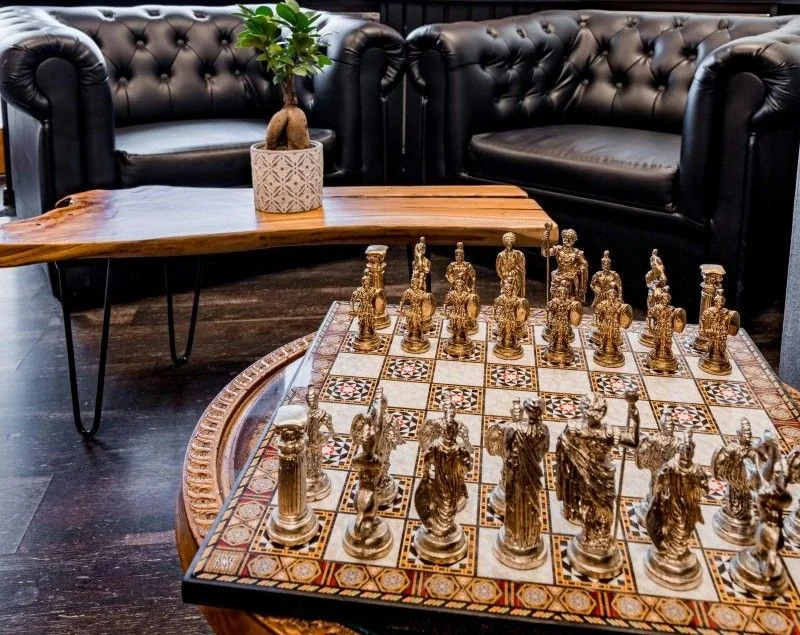
Narcissism and Privilege: The Addiction to Status and Exclusivity
The more privileges and exclusivity a narcissist has, the better. Because objects, positions, and titles also provide supply. The acquisition of goods and status symbols confers superiority.
The rarer, more expensive, and/or harder something is to obtain, the more unique that object or experience is. Therefore, from a narcissistic perspective, the more special the person who possesses it is, too. And by flaunting and showing others their material achievements or exclusive experiences, the narcissist obtains rivers of supply from these people, their sources.
In short, objects and possessions provide self-supply, are a supply in themselves, and communicate uniqueness to the narcissist. They extract narc fuel from others through admiration, praise, and envy. The narcissist feels like the best thing since sliced bread, a practically divine being.
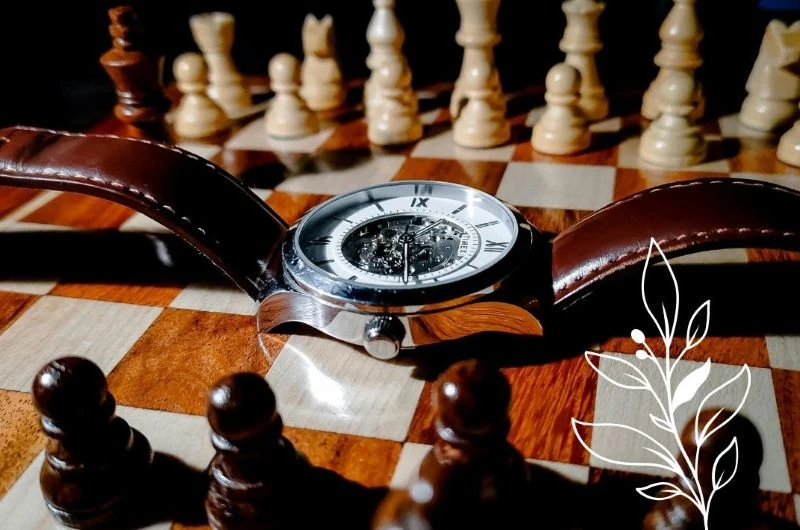
Narcissism is therefore at the root of consumerism: exclusive homes, charmingly decorated environments, Michelin-starred restaurants, luxury cars, designer clothes, precious watches, exotic trips, lavish parties, cutting-edge technological equipment, collectables, and rare or handmade objects.
All of this, in the narcissistic universe, is not artistic, sensory, experiential, or aesthetic pleasure: it is just supply.
The narcissist needs to feel the most unique being in the universe. “Special” people deserve to live “special” experiences and have “special” things. It’s not enough to enjoy them in a shared way with others.
Narcissists want to access or possess what few people have. Preferably, just him, nobody else.
Cultural and Intellectual Supply: The Elitist Game of Cerebral Narcissists
In intellectual circles, the objects and experiences change, but the logic remains the same.
Everything provides narcissistic cultural supply: art collections, first-edition books, vintage maps, concerts, art openings, exclusive cultural events, hard-to-book bistros, antiques, gourmet cuisine, sophisticated drinks, unusual trips, unique items, and, above all, items customised exclusively for them.
From this perspective, the narcissist is also obsessed with mastering the erudite vocabulary, the etiquette norms, and the social codes of the cultural elite. These narc elites, in fact, dictate the insane unwritten rules of intellectual, artistic and academic circles.
And then, they exhibit their silent and invisible “coats of arms”, which signal to mere mortals that they belong to a “differentiated caste”. They belong to the club; they are the in-group folks.
“Ana… so, every rich or cultured person who likes nice and beautiful things would necessarily be a narcissist?” No, as previously stated, intentions make all the difference.
Narcissists don’t simply travel for the sake of cultural satisfaction. They create “checklists of places,” and collect “exclusive experiences” to impress others and obtain supply.
The rituals and charming objects that make up the narcissist’s daily life are not there to bring more joy, delicacy, and escapism. It’s only for the purpose of gaining power and control over others. The goal is to prove that their daily life isn’t mediocre like most people’s. Things, activities and relationships are always means, not ends.
Narcissists don’t collect rare books or works of art for the love of knowledge or for the aesthetic and conceptual pleasure these possessions provide. Narcissists collect “artistic and intellectual bait” to attract victims and secure their supply!
Private Collections and Systems of Exclusion
In cultural heritage theory, we study the sociology behind collecting, which is at the genesis of archives, libraries, and museums.
In fact, some of the world’s most important palaces and collections belonged to the elite of their time: royalty, clergy, the bourgeoisie, and the aristocracy. And they were democratised through institutionalisation.
That is, what these open-to-the-public institutions did was take something that was for the exclusive use of a few – the palaces and their rich collections of art and old books – and make it freely accessible to society, to anyone. Nothing is more empathetic than this. All of us, together, can enjoy and help preserve the collective cultural heritage.
So, at least in theory, non-profit scientific and cultural institutions should go against exclusivism.
In practice, even these public collections can be used to guarantee privileges and perpetuate systems of exclusion. I won’t delve into this topic here because it’s so interesting and so relevant to my work that it deserves its own posts.
Cultural “Capital” and Narc Elitism
For those who want to read more about snobbery and cultural elitism, I recommend the introductory chapter of The Story of Art by E.H. Gombrich, the book Pedagogy of the Oppressed by Paulo Freire, and the book Distinction: A Social Critique of the Judgement of Taste by Pierre Bourdieu.
In the Brazilian context, we have the work of sociologist Jessé de Souza, who draws on Charles Taylor and other important contemporary intellectuals to analyse the Brazilian elite. His book The Middle Class in the Mirror: Its History, Its Dreams and Illusions, Its Reality is particularly noteworthy. Some of his publications are available in English and German.
According to these thinkers, all these symbols of intellectual status are the fruits of cultural capital that people acquire through effort, time, privilege, and money: education, academic titles, knowledge, reading, glamorous hobbies, travel, etc.
Above all, they have free time, health, context, autonomy, freedom, and money to dedicate to all of this. The narcissist proudly displays their tennis racket and sports uniform mid-morning because their flexible schedules allow them to pursue their hobbies whenever they please, without having to answer to bosses or colleagues.
In short, the very fact that we call tangible and intangible heritage “cultural capital” reinforces the materialism of current society. Everything can be “quantified,” “ranked,” “capitalised,” and transformed into commodities. More narcissistic, impossible!
What to do in the face of all this, if you love the arts, culture, and books, like yours truly?

How to Work in the Intellectual or Cultural Market without Being Part of this Narc Game?
I have a degree in Architecture and Urban Planning, a doctorate in Arts, and I’ve worked in cultural heritage and museums since I entered university.
In short, I have lived in Narcland for decades. When I realised this fait accompli, I asked myself the following question:
“Is it possible to love books, museums, and the arts and work with culture and intellectuality without being part of the narcissistic game that is literally at the heart of this market?”
My conclusion is: “Yes, we can!” But the options for supporting oneself exclusively from the cultural knowledge market, while maintaining autonomy and independence from toxic people, are extremely limited.
If I weren’t a tenured professor, I would have changed fields. And before being a professor at UFMG, I was a tenured architect in the Cultural Heritage sector of the Belo Horizonte City Hall. In other words, I invested in a career (a public service position with tenure) that gave me security, substantial autonomy, and freedom of choice and expression.
Throughout my adolescence and undergraduate studies, I planned to be an entrepreneur and have my own cultural consulting firm. My perspective changed when I started working in this market and understood how it really works.
If you want to make a living from culture and are an empathetic and principled person, take a civil service exam with tenure, in my opinion. Or choose a secure part-time job that guarantees you a living. And, in parallel, dedicate yourself partially to the cultural market. Because that way, you can say “no” to toxic opportunities and people.
It’s difficult to reconcile ethics and mental health with the academic or cultural market. I think it’s intellectually honest to admit this to my readers and my university students, because it’s a fact.
So, before making professional and personal decisions in the cultural or intellectual sector, I recommend studying in depth the sociology of work and soft skills. In this way, it will be possible to map out the healthiest people, niches, and opportunities from the beginning.
Pay special attention to books, content, and articles focused on functional psychopaths and cerebral narcissists, who are the types that most frequently appear in these fields and places.
This is even one of my goals with this series of posts on narcissism, psychopathy, and toxic behaviours: to raise awareness about this topic and also to find ways to change the status quo.
Academia, museums, and art galleries are permeated with toxic and narcissistic values and psychopathic practices. Changing this is almost always impossible; it doesn’t depend on us, it’s stronger than us. But regarding our individual stance, our personal decisions, this game can turn around.
Knowing how to identify cerebral narcissists and ceasing to provide them with supply is the first step towards checkmate!

Notes
References: Click here for books, documentaries, videos and other references for this text.
Acknowledgements: Thanks to Alberto Nogueira Veiga and all who gave me their precious feedback.
Images: Chessboard and Library (iStock), Chessboard and Sofa (Unsplash), Other Images (Pexels).
Please help me improve my English by sending me your suggestions through this contact form. Thanks!
Published on my blog in Portuguese on March 3, 2026: Suprimento Cultural e o Narcisista Cerebral: O ambiente tóxico do mercado acadêmico, intelectual e artístico.