

Narcissistic people have a highly inflated view of themselves. They genuinely believe that they are superior and better than others in every way.
Those who have not achieved the desired success in various spheres blame exclusively others and circumstances for this. Successful narcissists, on the other hand, overestimate their achievements, qualities and abilities.
Narcissists think they are the greatest thing since sliced bread. They maintain their belief in their superiority by seeking external validation. This false ego they construct requires constant confirmation.
This validation usually comes through the attention and reaction of others, manifested by submission to their control and desires, provision of services and favours, praise, devotion, granting of privileges and so on.
And all of this is what we call supply or fuel.1
In the Narc Thesaurus, narcissistic supply is validation and attention with emotion.
Negative Supply
But the narcissist’s supply does not have to be only positive attention; it can also be negative, such as fear and anxiety. Even feeling compassion or pity for the narcissist provides him with supply.
The narcissist’s grandiosity is about feeling special and unique. In this sense, a person who has suffered a lot in life feels special precisely because of this, for having gone through this suffering, which in his mind makes him superior to others.
The only thing the narcissist cannot stand is being treated with indifference. He hates feeling insignificant. It’s the famous Brazilian saying: “Speak badly of me, but speak of me.”
Every day, the narcissist wakes up with his fuel tank empty and seeks to fill it with the passionate attention of others.
Whether you are happy or sad, as long as it is because of him (or her, narcissists can be women, too), the narcissist feels he has power over you. And that is the essential point of supply: to demonstrate to the narcissist that he has control over people and situations.
Supply inflates the narcissist’s false ego and keeps alive for him the “conviction” that he is superior and better than everyone else. Literally! In his head, of course.
Most narcissists are not aware of this; it is an unconscious process. They think that what drives them to relate to others is love, friendship, camaraderie, etc. And not the simple search for narcissistic supply.
Quality and Potency of the Supply
Everything the narcissist does is aimed at eliciting a reaction from others. Every interaction generates a reaction. However, the characteristics of this reaction will determine the impact and pleasure it provides to the narcissist in terms of supply.
Was the contact with the victim virtual or in person? Did the narcissist see the victim’s reaction with his eyes?
Virtual supply can be fascinating, especially for some types of narcissists, such as the cerebral ones.
And with social media, narcissists get validation from people around the world without even having to make an effort to get up from their chairs. However, face-to-face relationships provide a much more powerful and effective supply.
To get back to it… Was the victim in a normal or altered state when she reacted? For example, she was exploding with happiness or bursting into tears. Did her words express rational arguments or uncontrolled emotions (fervent praise, heated insults)?
The more out of control the victim’s reaction, the better the supply she provides. The more superior and in control she makes the narcissist feel.
Did the reaction require planning, travel, time, money, energy, etc.? For example, writing a WhatsApp message takes a few seconds and costs nothing. Catching a plane and showing up at the door of the narcissist, who lives in another city, involves a lot.
The more time, resources, planning and effort the victim invests in the narcissist, the more important and indispensable the narcissist feels.
In healthy relationships, love and devotion usually bring people together. In relationships with narcissists, this adoration causes distance because the narcissist feels increasingly “in the sky”, looking down on the victim “from above”.2
Was the victim’s reaction unusual or routine? Has she had this reaction before with the narcissist? Does she always react this way? Or did the narcissist push her to the limit so that she lost control in a way she had never lost it before?
Did this loss of control result in words or gestures of devotion, anger or humiliation? Or in actions that violate the victim’s own principles?
For example, a person whose nature is calm, sweet, and polite but who reacts angrily and curses. Another person who has a strong personality and good self-esteem, but who finds herself begging and grovelling before the narcissist.
Has anyone else done this to the narcissist before, or was this the first time someone had reacted that way to him? In other words, was there something new in this reaction or simply “more of the same” to which the narcissist is already familiar?
The more unique the victim’s reaction, the more supply she provides.
Narcissists Don’t Care About Their Victims Per Se But Rather Rank the Supply They Provide
The “qualifications” of the victim in the narcissist’s mind impact the narcissist’s perception of the supply she provides. The more “qualified” the narcissist considers the person to be, the more pleasurable the supply.
What constitutes a “qualified” victim will vary from narcissist to narcissist, depending on what they consider to be status.
Narcissists who are vain about their appearance want to attract victims who are also in shape. Cerebral narcissists prefer to receive supplies from intellectual or academically successful people. Narcissists who are obsessed with money or fame find supply from wealthy or famous people more potent.
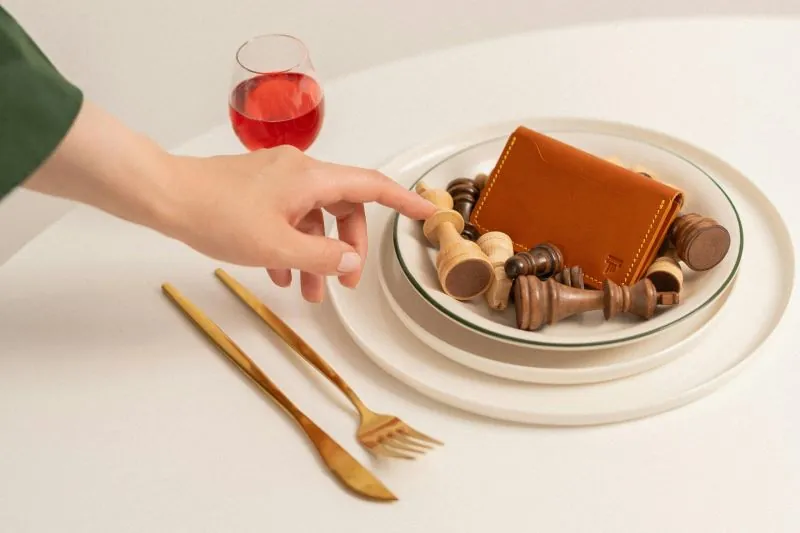
In other words, is this victim someone the narcissist values in some way? Someone he admires, envies, or desires? Or someone who provokes, competes with, or challenges the narcissist?
It could also be one of their peers or even bosses and superiors in the dynamics of the work environment.
In the case of some grandiose narcissists, breaking the spirit and taming the behaviour or opinions of victims who are rebellious or defiant is also supply.
That is why it is not correct to say that “all supply is the same”. Some sources provide more robust and addictive supplies. Either because the victim’s reaction is charged with extreme emotion or because the narcissist identifies in that victim something that attracts him or that he would like to have.
Narcissists do not care about the victims themselves, so much so that they have extreme ease in replacing one victim with another. But they rank the supply that they provide according to validation and pleasure. And therefore, they tend to obsess more about the victims who provide them with more “effective” doses of supply.
In short, everything I have mentioned so far will define the quality and potency of the supply people provide through their reactions.
The more physically close, devoted, submissive, long-lasting, resilient, passionate, intense, uncontrolled, and unusual the victim’s response to the narcissist’s actions, the better the supply she provides. Victims who possess something the narcissist values also provide a higher quality supply.
Examples of How Victims Provide Narcissistic Supply
Let’s imagine an extreme situation here. A victim is begging and crying, literally kneeling at the narcissist’s feet, saying that she is overwhelmingly in love with him.
And to top it all off, no one has ever done this to this narcissist before. This is the first time anyone has humiliated themselves in this way for this narc. There you have it; he’s in heaven. It’s more addictive than opium!
Insane situations like this are rare, fortunately. Unless you’re, like, one of the Beatles.
However, situations closer to everyday reality also provide plenty of supply. For example, the victim may not even be with the narcissist in person but sends him a message saying that she can’t stop crying because of him.
When the narcissist realises that he has the power to destabilise a person to the point of making her lose control and cry, this gives him great satisfaction. Even if he only imagines this scene, knowing that he has such control over his victim’s emotions provides the narcissist with high doses of supply.
Even mental supply or thought supply injects fuel into a narcissist. When he engages in a smear campaign against the victim and imagines all the suffering she is feeling, this is also supply.
In another situation, the victim is physically with the narcissist and is showering him with attention, compliments and kisses. It is not a negative supply, which is more powerful than a positive supply, but it is also a very high dose of satisfaction.
Sex, in fact, is an explosion of supply for a narcissist. Not for the reasons that it is usually an “explosion” for most of us, by the way.
For a narcissist, sex is a means, not an end—a transactional, utilitarian act: an extractor of intense supply from his victim. Few things put us in such a vulnerable situation as sex. Narcissists love this because they usually assume a position of command in bed.
The victim may also challenge the narcissist through criticism, demands, or complaints, providing a challenge supply.
The problem is that narcissists always need to be in power and win when challenged. Therefore, control will be exercised in one way or another. Whether through silence, ignoring the victim (silent treatment), or through direct control, through manipulation, love bombing, verbal or even physical abuse.
By punishing his victim for the “transgression”, the narcissist regains the feeling of control and superiority.
Sadistic Supply: When the Narcissist Takes Pleasure in Causing Suffering
Causing suffering in the victim can be a side effect of the exercise of control, but for more malignant narcissists, it is intentional. It is a sadistic supply.
The power to hurt and humiliate others is addictive for many narcissists. Some even find it hilarious that their victims are suffering for them.
In short, attention, adoration, compliments, services, gifts, exclusive experiences, VIP access, money, promotions, prizes, likes, emotion, gratitude, affection, sex, messages, etc.
Everything good that the victim does for the narcissist is supply. And all of their negative emotions, too, if it is a reaction that shows him how powerful and important he is. How much he can mess with her head and mess with her feelings.
To achieve this goal, especially in the devaluation phase of the abuse cycle, the narcissist resorts to provocations. To play hot and cold. The traps that are set all the time.
It could be a hint that he made at a family party or a meeting, which leads the victim to have a tantrum in front of others (reactive abuse). Or a cryptic message on social media that encourages her to get in touch or respond somehow.
The narcissist can make some reference to the relationship he has with the victim; only she understands. For example, he posts a photo wearing a gift she gave him, refers to her favourite book, or repeats something they talked about in private. It is impressive the degree of subtlety and sophistication that some narcissists can achieve in these veiled or indirect messages!
That is why it is so important not to look at the narcissist’s social media under any circumstances. There will certainly be something there that attracts, seduces or irritates the victim. Imagining that his victims are following his life online provides mental supply for the narcissist.
Whether in person or electronically, making the victim take the decoy (baiting) is supply for a narcissist.
When the victim decides to play with the narcissist, instead of abandoning the game, she is remaining in the cycle and in the role of “source”. Even if the victim no longer has any “official” or formal relationship with the narcissist: marriage, friendship, professional or academic partnership, etc.
Finally, some narcissists are so grandiose that they are also capable of supplying themselves. That is, their fantasies, internal dialogues, and sense of superiority provide them with self-supply.
I Also Like to be Praised and Receive Attention: Am I a Narcissist?
Understanding the distinction between healthy self-esteem and narcissism is key. If we all like praise, attention, rewards, reactions and attitudes that demonstrate dedication, love and interest, it doesn’t make us all narcissists. It’s about how we perceive and react to these things.
An emotionally healthy person understands complements as a consequence of what we do or are, not as an obligation of others. They do not feel entitled to have the attention of others at any cost.
And praise is based on facts. Narcissists do not live in the real world; they live in a parallel world. In the narcissist’s imagination, their achievements, competence, and impact on the world are much, much greater than reality.
For emotionally healthy people, praise is welcome, but generally not incited or ardently desired. The things that feed our ego, such as recognition and gratitude, are a pleasure, not an addiction. Genuine praise brings joy and a sense of appreciation; It is not a daily necessity like a drug is for an addicted person.
In addition, healthy people do not “feed” on the fear or suffering of others. As we have seen, negative supply (tears, anger, sadness, fear, hurt, etc.) is often even more pleasurable to the narcissist than praise.

The “High” of a Drug: The Impact of Supply on the Narcissist
When they receive emotional attention and, therefore, validation, narcissists feel an abnormal euphoria, like someone who takes a dose of a potent drug. And they transform that compliment into unrealistic statements through fantasy, such as: “I am the best, divine, superior, powerful, infallible, perfect.”
A healthy person connects emotionally with the one who has complimented them. Narcissists are not like that. They connect with the supply rather than with the person providing the supply. They like what the person does for them, not the person themselves.
Narcissists become addicted to how the source of supply makes them feel: powerful, influential, unique, indispensable, adored, and brilliant.
As we have seen, the source of supply does not matter so much to the narcissist. This is evident in the very terms “source,” “supply” or “fuel.” It is an objectification of the other because this is how narcissists see their victims: as “appliance” that serves them, as suppliers.
Thus, the “source” can be anyone. Narcissists do not create authentic connections with their victims; they are only interested in supply. What matters is the quality, quantity and potency of the victims’ supply.
Victims are in the plural because narcissists need to receive supplies from several sources to satisfy themselves. All the people in the narcissist life provide some supply in all spheres: personal, social, familial, and professional.
Fresh Supply: Narcissists Constantly Need Novelty
An important aspect of this dynamic is that every source eventually becomes stale. When it stops being pristine, that supply loses its appeal. Because conquest is an important part of narcissistic abuse.
Narcissists have a short hedonistic cycle. We will have a text just about this in the series on narcissism.
Narcissists are predators, and they like to hunt you! Once under their control and domination, the narcissist starts to target the next prey. And this is also why they hoover: they suck the victim back into the cycle.
If the narcissist has left the victim bleeding on the floor, and she starts to catch her breath, or if she escapes him, getting her back into their clutches becomes a challenge again. The supply becomes temporarily attractive and fresh.
Depending on how difficult it is to regain the victim’s attention or the degree of humiliation she has to endure upon returning to this relationship, the supply of successful hoovering maybe even more potent than that provided when the narcissist first won her over.
Why is Narcissists’ Addiction to Supply So Dangerous?
For narcissists, supply is as indispensable as air. It is literally at this level of dependence.
Narcissists need to extract supply from others because it is this validation that allows him or her to sustain the fantasy illusion that they are superior to everyone else and that they have control and power.
This false sense of grandiosity, this obsessive and daily need to feel unique and special, better than everyone else, governs all the narcissistic people’s decisions.
Therefore, the number one mission of every narcissist is to satisfy their addiction to supply. And this makes them extremely dangerous, not only to those around them, but especially when they are in positions of power.
After all, a narcissist’s decisions will not be governed by best management practices or for the benefit of the collective well-being. They will not even be based on logic or reason. They will be ruled by their incessant and insatiable demand for narcissistic supply.
And this insanity, my dear readers, is challenging to comprehend and absorb with the mindset of an emotionally healthy person.
So, are you also a source of supply for narcissists out there? Well, you’ve come this far in this text; I think I can guess the answer. The urgent question we need to ask ourselves is… for how long?
Notes
1 – Some people, like HG Tudor, prefer to call supply fuel. I also prefer fuel. I believe that fuel conveys better what validation and passionate attention mean to a narcissist. A vehicle does not run on an empty tank. However, I used the word supply because it is more prevalent in the Narc Thesaurus. Book Fuel, by HG Tudor, Amazon Kindle. (Warning: This is a Clockwork Orange author!)
2 – The song “Without Me” by Halsey is an excellent example of this type of dynamic. I commented on this song in the post: Music Playlist on Narcissism, Psychopathy, Toxic Behaviours and Mental Health
References: Click here for books, documentaries, videos and other references for this text.
Acknowledgements: Thanks to Alberto Nogueira Veiga and all who gave me their precious feedback. I would also like to thank the authors, researchers and content producers on narcissism, psychopathy, and toxic behaviours in work management for opening my eyes to this crucial issue.
Images: Pexels.
Please help me improve my English by sending me your suggestions through this contact form. Thanks!
Published on my blog in Portuguese on October 14, 2024: Suprimento Narcisista: O combustível da vida de pessoas narcisísticas